
Tooth Extractions

Dr. Ryan Anderson and Dr. Yailin Diaz are Board Certified Diplomates in Periodontology in Central Virginia. They are highly skilled specialists who combine years of experience with a genuine commitment to their patients’ health and comfort.

Tooth extractions are routine dental procedures used to remove decayed, damaged or otherwise problematic teeth. Dentists usually make every effort to preserve natural teeth, although sometimes an extraction is necessary. Although the procedure is performed in a dentist’s or oral surgeon’s office, it is considered surgery. Depending on which teeth are removed, they may be replaced with a dental implant or another oral prosthetic.
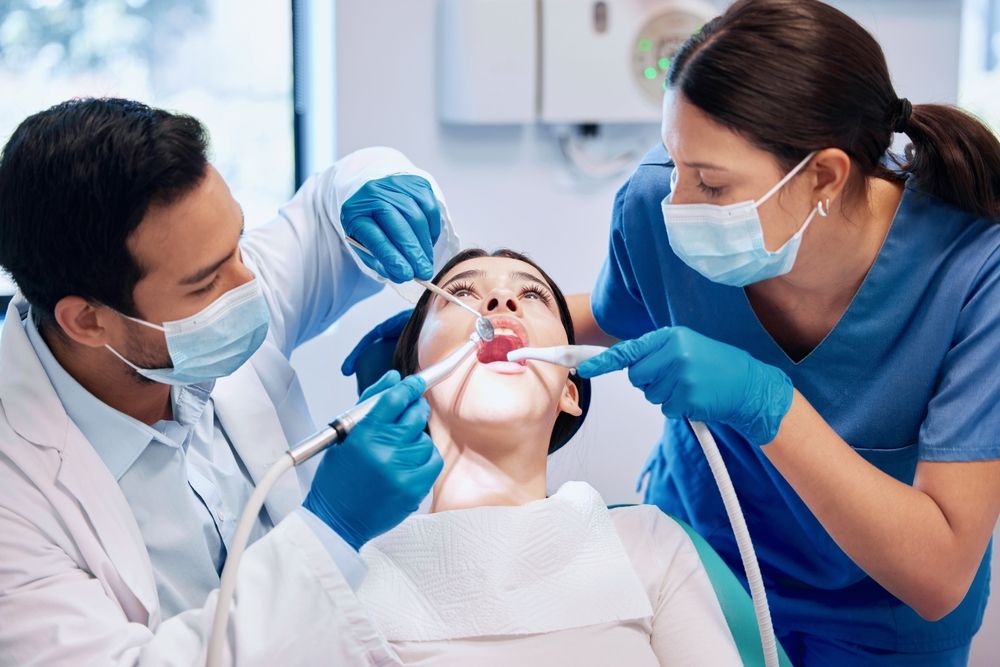
Dentist team, patient and cleaning mouth for hygiene with healthcare and consultation, surgery and tooth extraction

Did You Know?

Platelet-rich fibrin (PRF) is a substance taken from your own blood that helps to promote healing.  When applied after a tooth extraction, PRF helps to stimulate the healing process and acts as a bioactive band-aid.

Frequently Asked Questions

Do I need a tooth extraction?

There are several reasons why you could need a tooth extraction. The most common cause of tooth extractions is severe tooth decay and cavities. However, many patients also undergo extractions for impacted teeth – particularly wisdom teeth. Other causes for extraction include advanced periodontal disease, cracked teeth, and teeth that are severely malformed. Although many circumstances that require extraction are unavoidable, some could be prevented with regular visits to the dentist for exams and cleanings. However, only your dentist can tell you if you need a tooth extraction. To determine if an extraction is needed, schedule an appointment with our office today.

What should I expect during my tooth extraction appointment?

If you and your dentist decide to extract one or more teeth, you will be scheduled to return for oral surgery at a later date. You will be given a local anesthetic to prevent pain during the procedure, and you may be prescribed medications to help manage pain in the hours following your extraction. Depending on the nature of your extraction and other factors, such as whether your teeth are impacted, you may also be sedated or given general anesthesia during your procedure.

What type of post-treatment care will I need to follow?

We place platelet-rich fibrin (PRF) around the extraction site in order to improve local blood supply, enhance healing, and shorten the recovery process. Nevertheless, post-operative care following a tooth extraction is essential for healing and preventing complications. You will be instructed to avoid certain foods and also keep the surgical site clean at all times. If you are prescribed an antibiotic, it is important that you complete the course of treatment to prevent infection. Finally, you may be advised to avoid smoking or drinking through a straw, as doing so may delay the healing process and cause a condition known as ‘dry socket.’

Plan for the Space Before the Tooth Is Removed

When an extraction is necessary, the decision is not only how to remove the tooth. It is also how to protect the site and what should happen afterward. If replacement with a dental implant is being considered, preserving the surrounding bone and gum contours may simplify future care. Depending on the condition of the area, site preservation or immediate implant placement may be discussed before surgery.

Some teeth are removed because of severe periodontal bone loss, fracture, infection, failed root canal treatment, or complications around an existing restoration. Three-dimensional imaging may be used when the root shape, nearby sinus, nerve location, or implant plan requires a more detailed view.

Coordinated Tooth Replacement Options

Not every missing tooth must be replaced in the same way. The location of the tooth, bite, neighboring teeth, bone support, health history, and personal goals all matter. Periodontal Health Associates can coordinate with your restorative dentist to plan an implant, bridge, removable option, or an intentional space when appropriate.

If you have been told a tooth cannot be saved, a specialist consultation can confirm the diagnosis and clarify the next steps before treatment begins. Request an extraction evaluation in Lynchburg to discuss comfort options, healing, bone preservation, and future tooth replacement in one coordinated plan.